
What is Physical AI and How Does It Differ From Generative AI?
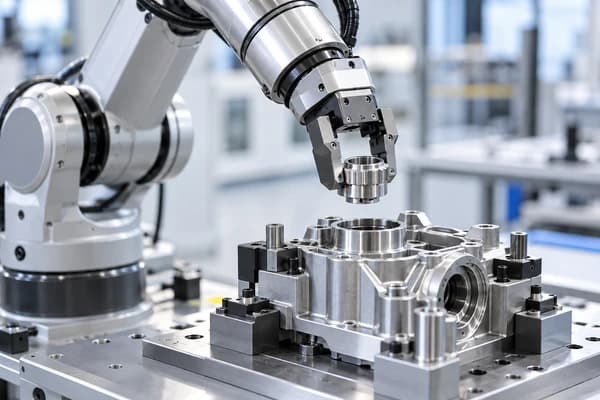
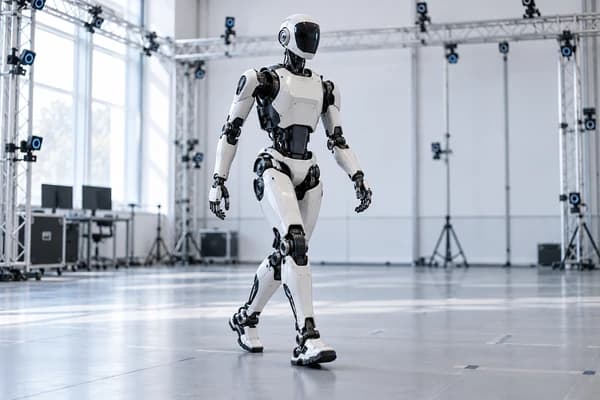
While generative AI manipulates text, images, and code in digital environments, Physical AI perceives, reasons, and acts directly in the physical world through robotic embodiments.

In-depth engineering analyses, teleoperation collection protocols, automation ROI models, and foundation model training strategies from the Aqlonyx team.

While generative AI manipulates text, images, and code in digital environments, Physical AI perceives, reasons, and acts directly in the physical world through robotic embodiments.

Procuring high-quality robotics datasets is the single biggest factor in training generalized manipulation policies. Here is how to evaluate sensor streams, teleoperation hours, and licensing models.

Hardware is often only 25% to 40% of the total automation budget. Here is how manufacturing leaders accurately calculate true total cost of ownership and achieve payback in under 12 months.

Autonomous AI agents are moving beyond chat interfaces to orchestrate physical warehouse fleets, resolve operational exceptions, and bridge enterprise ERPs with factory-floor robotics.

Choosing the wrong integrator is the primary reason automation projects exceed budget or fail to meet throughput targets. Here is what to evaluate before signing a contract.

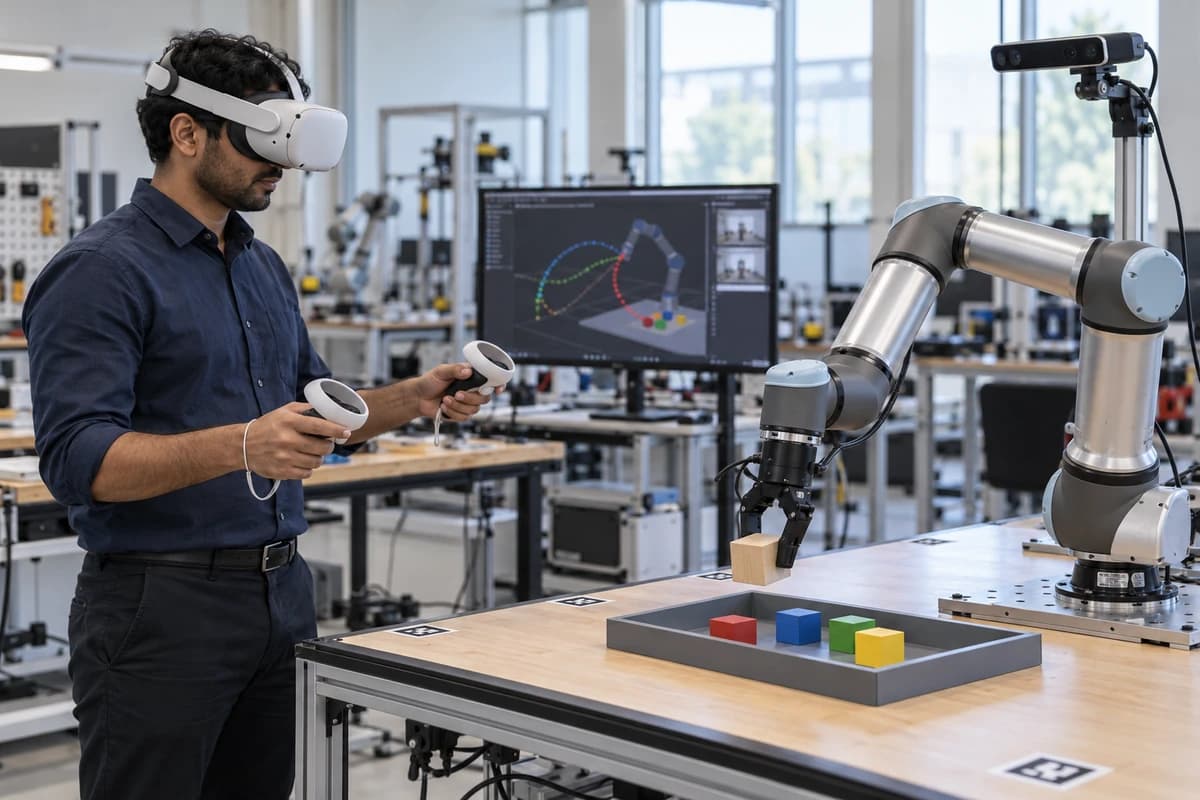
High-dexterity human demonstrations captured via VR, exoskeleton, and master-slave rigs are the foundation of physical robot learning. Here is how professional capture pipelines work.

Humanoid robots are advancing from viral lab demos to industrial pilot evaluations. Here is how forward-thinking enterprises design and execute structured pilot programs.

Robotics operators and automation labs generate millions of hours of sensor telemetry every month. Here is how to clean, package, license, and monetize that data.